

Water is an important matter in carrying out daily activities for every individual. Be it for drinking, bathing, cooking, cleaning equipment, and so on. For drinking, clean water is not enough. Water must also meet certain standards, such as odorless, tasteless, colorless, and not containing pathogenic bacteria, in accordance with SNI 01-3553-2006 and Indonesian Minister of Health Regulation no. 907/Menkes/SK/VII/2022. (Nazava, 2023)
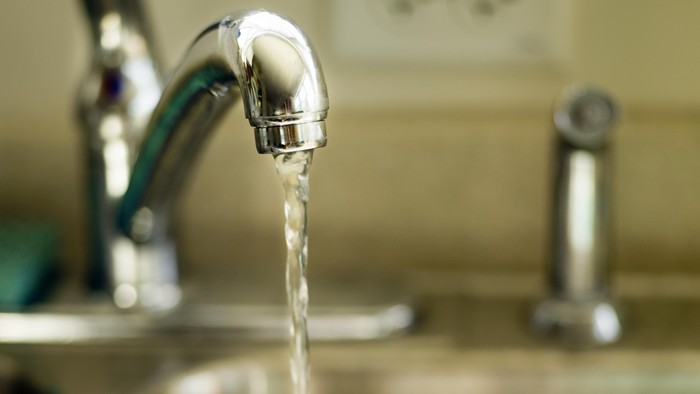
On the other hand, Indonesia is preparing itself with safe, ready-to-drink tap water services. Alas, the results of the 2020 Household Drinking Water Quality Study (SKAMRT) stated that access to safe drinking water quality was only 11.9%. Meanwhile, 40.8% of people use drinking water facilities sourced from groundwater (apart from piped drinking water facilities and drinking water depots). Moreover, 14.8% of households in Indonesia use dug wells for drinking purposes, with a very high risk of contamination. (Ministry of Health, 2022).
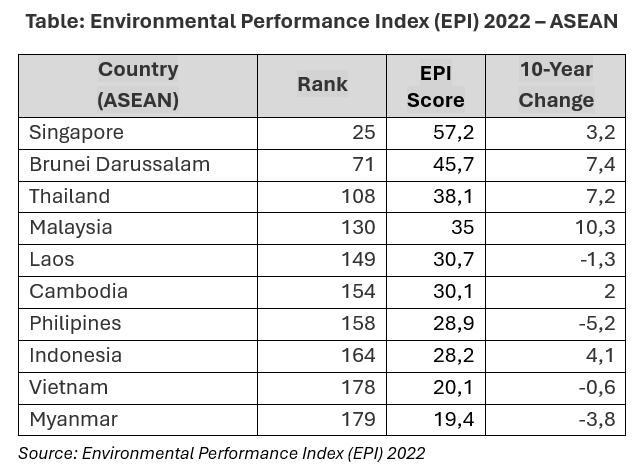
Based on data of Environmental Performance Index (EPI) 2022, sanitation and drinking water quality in Indonesia only achieved EPI score of 28,2, and sit at rank 164 out of 180 countries. Meanwhile, other ASEAN countries, such as Singapore “reigned” at rank 44 with EPI score of 50.9, Brunei Darussalam at rank 71 with EPI score of 45.6, Thailand at rank 108 with EPI score of 38.1, and Malaysia at rank 130 with EPI score of 35 (EPI, 2022).
According to Deputy for Development Policy at the National Research and Innovation Agency (BRIN) Mego Pinandito, considering the geographical conditions, a number of regions in Indonesia do have water sources which good quantity and quality, such as water sources originating from most rural areas. Meanwhile, in urban areas, access to sanitation and drinking water considered inadequate. (Katadata, 2024).
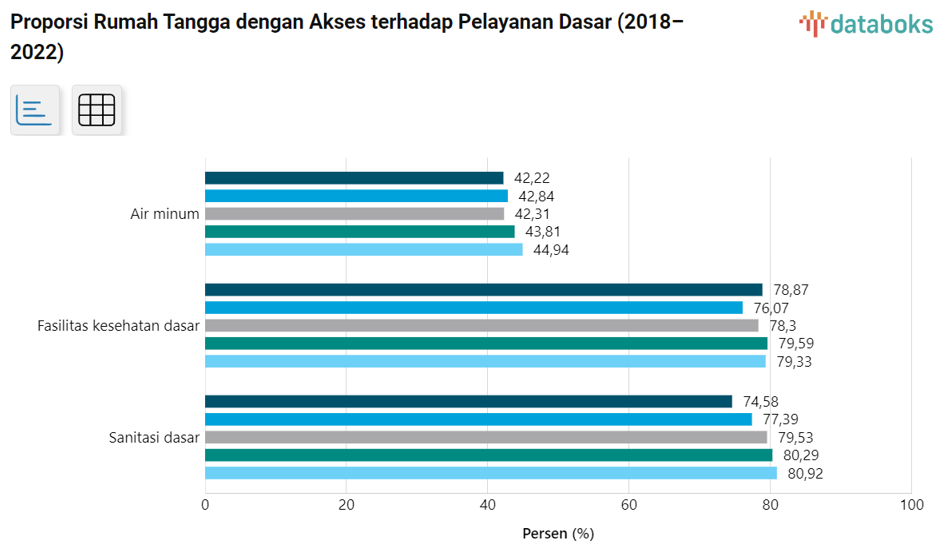
So does access to drinking water services. Data from Central Statistics Agency (BPS) shows not all people able to access the basic services of their daily drinking water needs. BPS categorizes the basic services into three parts: drinking water services, basic sanitation, and basic health facilities. Among these categories, the community has the least access to drinking water services, that is below 50%. In 2018, its proportion was only 42.22%, in 2021 became 43.81%, while in 2022 the proportion was 44.94%. (Databoks, 2024; BPS, 2022).
Even so, many regions in Indonesia have succeeded in providing ready-to-drink tap water services.
For example, Sleman Regency, Special Region of Yogyakarta Province, which just introduced a new system called Ready-to-Drink Water Faucets (KASM). Quoting news from the PDAM Sleman Regency website per April 5, 2024, the water from KASM is clean, healthy, and ready for consumption, because it has gone through a sterilization and remineralization process, and has even passed laboratory tests, so the water is safe for direct consumption. (PDAM Sleman, 2024)
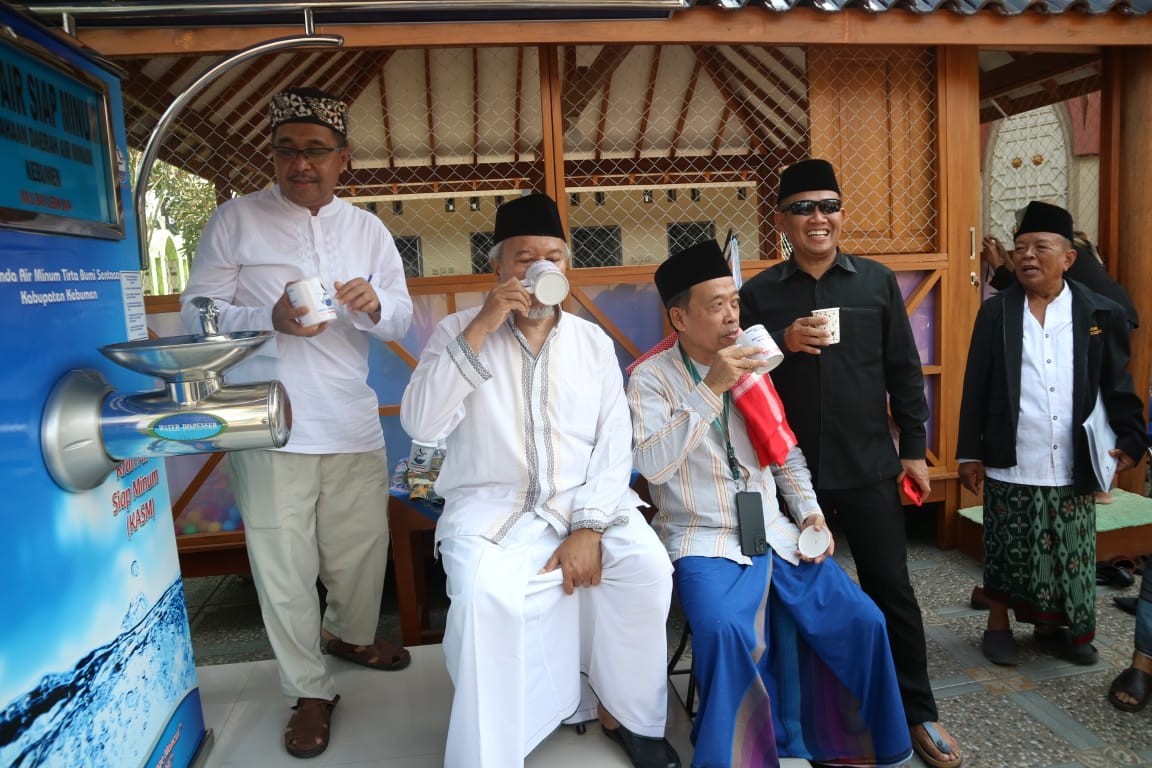
In another location, Kebumen Regency, Central Java Province, KASM also available at several strategic points, such as the courtyard of the Kauman Great Mosque and the Tumenggungan Market area. The ready-to-drink water tap installed there has high quality standards drinking water and can be drunk directly, it has passed the quality test of a fully accredited government laboratory, so it is guaranteed to be hygienic and of good quality, so the people of Kebumen can drink water directly from KASM. (Perumda Kebumen Drinking Water, 2023).
Where else are there safe, ready-to-drink water facilities in Indonesia?
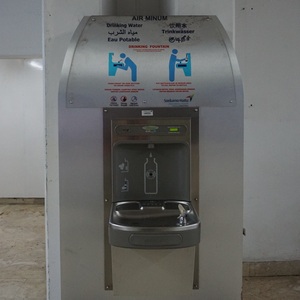
The same tap water services also can be seen in Tangerang, specifically at Terminal 1, Terminal 2 and Terminal 3 Ultimate of Soekarno-Hatta Airport. In Jakarta there are quite a lot spots, including the Baiturrohman Mosque and the Pondok Kelapa Office in Duren Sawit, East Jakarta, as well as the North Jakarta Mayor’s Office. For Bogor area, they can be found at the Bogor PDAM Office, Bogor Regional Government Office, Bogor Pakuan Housing Complex, Bogor Botanical Gardens and Sempur Park. In West Java area, they can be found in Sri Baduga Park, Situ Buleud in Purwakarta, and City Hall Park on Jalan Wastukancana, Bandung. (Bobo, 2017)
Meanwhile in Semarang, high standard ready-to-drink tap water facilities are available at Pandanaran Park, Taman Indonesia Kaya complex, Simpang Lima Pancasila Square. (Kompas, 2019).
In Surabaya, East Java, around 30 KASM spots (2018) are also provided in public facilities, such as parks, offices, flat houses, terminals, schools and places of worship. One of the KASM installations can be found in Taman Bungkul, Taman Mundu. The water is specially treated through maximum purification through membrane filter and ultra violet processes. (Tribunnews, 2019).
Not only that, Malang has succeeded in providing safe drinking water on a city scale. In this case, the coverage area of the Prime Drinking Water Zone (ZAMP) in Malang is at 160 tap water spots spread across public spaces. According to the Director General of Disease Prevention and Control (P2P) of the Ministry of Health Maxi Rein Rondonuwu, the construction of ZAMP makes Malang City similar to European cities, which are able to provide free access to water for its people in public places. (Malang City Government, 2023).
Therefore, Indonesian Government continues to strive hard to meet people’s basic needs, one of them is the provision of drinking water, expected to be 100% by 2030. Especially considering that the provision of safe drinking water is one of the embodiments of the Sustainable Development Goals (SDGs), especially Goal 6: Clean Water and Sanitation. Hopefully in the future more and more safe drinking water facilities will be built so that they can be easily accessed by the public, and further, to improve the health and welfare of all Indonesians.
References:
1. Nazava (2023): Standar Air Berdasarkan Peraturan Pemerintah, diperoleh melalui situs internet: https://www.nazava.com/blog/standar-air-berdasarkan-peraturan-pemerintah/
2. Sehat Negeriku Kemkes RI (2022): Pemerintah Targetkan 2020-2024 Masyarakat Indonesia Akses Air Minum Layak 100%, diperoleh melalui situs internet: https://sehatnegeriku.kemkes.go.id/baca/rilis-media/20220322/5939554/pemerintah-targetkan-2020-2024-masyarakat-indonesia-akses-air-minum-layak-100/
3. EPI (2022): 2022 EPI Results, diperoleh melalui situs internet: https://epi.yale.edu/epi-results/2022/component/epi
4. Katadata (2024): BRIN Ungkap Penyebab Sanitasi Air Minum RI Terendah Ketiga di ASEAN, diperoleh melalui situs internet: https://katadata.co.id/ekonomi-hijau/ekonomi-sirkular/65f17fd9cd6f0/brin-ungkap-penyebab-sanitasi-air-minum-ri-terendah-ketiga-di-asean
5. Databoks (2024): Banyak Rumah Tangga Indonesia yang Belum Bisa Akses Pelayanan Dasar, diperoleh melalui situs internet: https://databoks.katadata.co.id/datapublish/2024/01/15/banyak-rumah-tangga-indonesia-yang-belum-bisa-akses-pelayanan-dasar
6. BPS (2022): Proporsi rumah tangga dengan akses terhadap pelayanan dasar menurut provinsi (Persen), 2021-2022, diperoleh melalui situs internet: https://www.bps.go.id/id/statistics-table/2/MjAxNiMy/proporsi-rumah-tangga-dengan-akses-terhadap-pelayanan-dasar-menurut-provinsi.html
7. PDAM Sleman (2024): Kran Air Siap Minum PDAM Tirta Sembada Sleman, diperoleh melalui situs internet: https://pdamsleman.co.id/berita/kran-air-siap-minum-pdam-tirta-sembada-sleman
8. Perumda Air Minum Kebumen (2023): Kran Air Siap Minum PDAM Tirta Bumi Sentosa Kebumen, Kini Tersedia di Masjid Agung Kauman, diperoleh melalui situs internet: https://perumdaairminum-kebumen.com/kran-air-siap-minum-pdam-tirta-bumi-sentosa-kebumen-kini-tersedia-di-masjid-agung-kauman/
9. Bobo ID (2017): Air Keran Siap Minum Juga Ada di Indonesia, Lo!, diperoleh melalui situs internet: https://bobo.grid.id/read/08678207/air-keran-siap-minum-juga-ada-di-indonesia-lo
10. Kompas (2019): Keran Air Siap Minum Kini Tersedia di Taman-taman Kota di Semarang, diperoleh melalui situs internet: https://regional.kompas.com/read/2019/02/20/10172961/keran-air-siap-minum-kini-tersedia-di-taman-taman-kota-di-semarang
11. Tribunnews (2019): Keran Air Siap Minum bagi Pengunjung Taman di Surabaya, Ajak Masyarakat Lebih Peduli Lingkungan, diperoleh melalui internet: https://surabaya.tribunnews.com/2019/07/30/keran-air-siap-minum-bagi-pengunjung-taman-di-surabaya-ajak-masyarakat-lebih-peduli-lingkungan
12. Pemerintah Kota Malang (2023): Peringati Hari Air Sedunia, Kota Malang Perluas Cakupan ZAMP, diperoleh melalui internet: https://malangkota.go.id/2023/03/19/peringati-hari-air-sedunia-kota-malang-perluas-cakupan-zamp/
Photo Credits:
1. Detik Properti (2023), diperoleh melalui situs internet: https://www.detik.com/properti/tips-dan-panduan/d-7099816/hati-hati-air-sumur-tercemar-tinja-ini-ciri-ciri-yang-aman-dikonsumsi
2. Perumda Air Minum Kebumen (2023), diperoleh melalui situs internet: https://perumdaairminum-kebumen.com/kran-air-siap-minum-pdam-tirta-bumi-sentosa-kebumen-kini-tersedia-di-masjid-agung-kauman/
3. Angkasa Pura II (2024): Fasilitas Bandara, diperoleh melalui situs internet: https://soekarnohatta-airport.co.id/jelajahi_map/3?keyword=&terminal_id=0&subCategoryId=83
Written and translated by:
Nina Firstavina, S.E.
#nuwsp #waterdirectorate #ciptakarya #watersupply
#EPI #performance #bumdam #bumdairminum #drinkingwater #drinkingwateraccess #cleanwater #cleanwateraccess #tapwater
Also published at: https://nuwsp.web.id/artikel/7161

 The Neferland
Leave a comment